

TUSD Climate Action & Sustainability
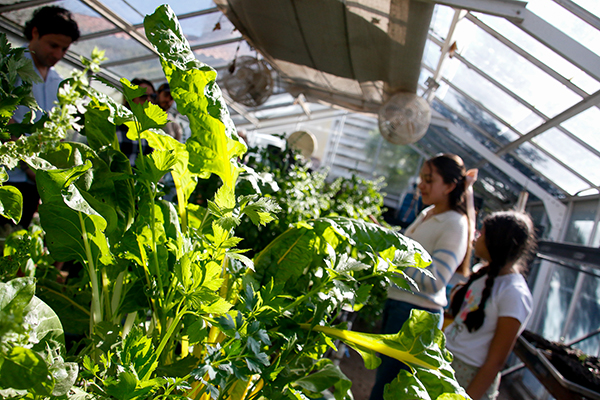
Tucson Unified School District is committed to building a healthier, more resilient future for students, staff, and the community through responsible resource management, environmental stewardship, and climate‑aligned decision‑making. The Climate Action & Sustainability Policy (CASP) is advancing initiatives that reduce environmental impacts, strengthen operational resilience, and support student well‑being across all campuses.
- Policy Code-ECF – Climate Action and Sustainability
 Call to Action – Join Us in Building a Sustainable Future
Your voice matters. Participate in upcoming events and help shape TUSD’s climate action journey.
 Built Environment
We design and modernize schools using sustainable standards such as LEED and CHPS to reduce environmental impacts and support long‑term resilience. Our Climate Action & Sustainability Policy (CASP) guides these efforts by ensuring that all new construction and major renovations emphasize energy efficiency, low‑carbon materials, healthier indoor environments, and long‑term operating savings. Two TUSD campuses—Davidson Elementary, which is LEED Certified, and Mary Belle McCorkle Academy of Excellence (PK‑8), which is LEED Silver Certified—demonstrate how the policy translates into high‑performance learning environments.
Renewable Energy
We continue to evaluate clean‑energy generation opportunities across the district through solar service agreements and battery‑storage systems, guided by the goals and principles of the CASP. CASP ensures that all renewable‑energy decisions support long‑term carbon reduction, strengthen energy resilience, and lower operational costs for the district. Today, 80 TUSD schools and support sites are equipped with solar installations, and these systems offset approximately 41% of the district’s total electricity use, advancing our commitment to a cleaner and more resilient energy future.
Electrification
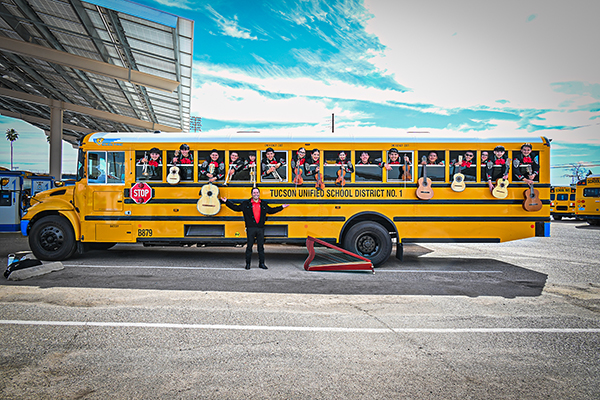
We continue to evaluate electrify district vehicles, equipment, and building systems in alignment with the CASP which guides decisions that reduce emissions, improve operational efficiency, and support long‑term sustainability. As part of this transition, the district has deployed 10 new electric school buses, expanding cleaner, quieter, and healthier transportation options for students while reducing reliance on fossil‑fuel vehicles.
Smart Buildings & Grounds
Our facilities incorporate energy‑efficient designs, drought‑tolerant landscaping, tree‑canopy preservation, and Dark Sky–compliant lighting to create healthier and more resilient learning environments. Recent Bond funds are helping modernize building systems, improving indoor comfort and air quality, and upgrading key infrastructure, supporting long‑term operational reliability and reduced resource use across district facilities.
Heat Resiliency
We are evaluating strategies to strengthen our Extreme Heat Preparedness Plan, including expanding access to cooled indoor areas across district facilities. These efforts support student and staff safety during periods of high temperatures and help ensure that learning environments remain comfortable and resilient.
Grid Resilience
We are strengthening districtwide resilience by evaluating battery energy storage systems that can provide backup power during grid interruptions. As part of the CASP, we are also evaluating how battery storage can support energy reliability, reduce peak‑demand costs, and enhance overall operational stability across TUSD facilities.
 Resource & Energy Management
We continue to improve how we manage energy and resources across district facilities, focusing on efficiency, operational reliability, and long‑term cost savings. CASP supports our efforts as we evaluate strategies to reduce energy consumption, modernize building systems, and promote more sustainable daily operations across the district.
Water Conservation
We are improving water efficiency across district facilities by evaluating and implementing conservation strategies that reduce consumption and support long‑term stewardship. CASP strengthens these efforts by emphasizing responsible water use in both campus operations and site design. TUSD utilizes Calsense smart‑irrigation controls to better manage outdoor water use through weather‑based scheduling, flow monitoring, and leak detection, helping maintain landscapes while avoiding unnecessary irrigation. Several campuses also incorporate rainwater harvesting systems, including the system at Mary Belle McCorkle Academy of Excellence, which features a large‑capacity rainwater collection design that supports onsite irrigation needs.
Waste Diversion
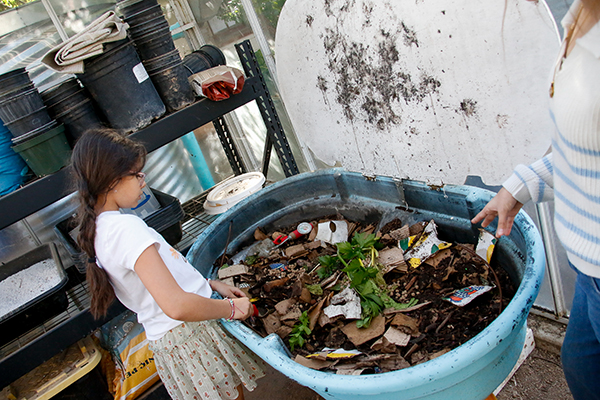
We are strengthening districtwide waste‑reduction efforts by expanding recycling, composting, and reuse practices that reduce material sent to landfills. CASP supports this work by prioritizing waste‑diversion strategies that lower environmental impact and promote responsible material management across all campuses. TUSD operates a commingled recycling program, allowing sites to place mixed recyclables—such as paper, cardboard, plastics, and metals—into a single collection stream, making recycling easier and more accessible for staff and students. Several schools have also begun on‑site composting efforts, including cafeteria‑based food‑scrap collection and garden‑focused compost systems that turn organic waste into soil amendments for campus gardens and outdoor learning spaces. These initiatives help reduce landfill volumes while engaging students in hands‑on sustainability practices.
Sustainable Sourcing & Wellness
We continue to strengthen sustainable sourcing and wellness practices across the district by increasing access to nutritious, environmentally responsible meal options. CASP supports this work by promoting healthier food systems, reducing environmental impact, and greater use of responsible purchasing practices. TUSD Food Services is already expanding plant‑based meal options, increasing the use of locally sourced products, and enhancing menu offerings that support student health and sustainability goals. These efforts help reduce our operational footprint while providing students with fresh, balanced, and culturally relevant meals.
 Engagement & Environmental Justice
We work to ensure all students and communities benefit equitably from sustainability improvements by focusing resources where needs are greatest. CASP strengthens this commitment by emphasizing fair access to healthy, resilient learning environments and prioritizing investments that support historically underserved communities. TUSD already advances this work by prioritizing retrofits for schools serving low‑income communities, helping ensure that facility upgrades address both environmental and social needs.
Community Engagement
We invite staff, students, and community members to participate in charrettes, town halls, and planning discussions to help shape district sustainability initiatives.
Education & Careers
We continue to expand learning opportunities that prepare students for future green‑career pathways and support climate literacy across grade levels. CASP strengthens this effort by emphasizing sustainability education, hands‑on learning, and the development of skills aligned with emerging clean‑energy and environmental fields. TUSD is already advancing these goals through climate curriculum, AP Environmental Science expansion, and CTE programs.
Outdoor Experiences
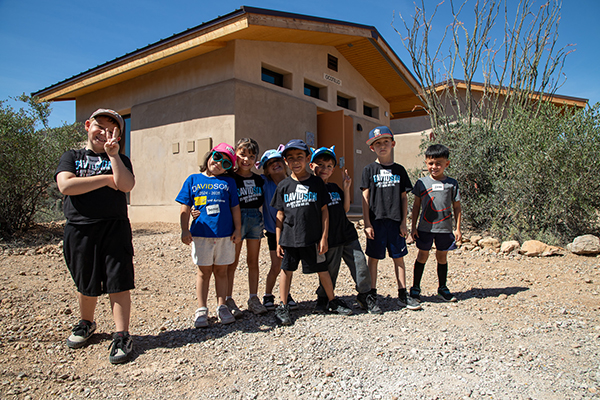
We expand access to outdoor learning environments that connect students with the natural world and support hands‑on environmental education. CASP supports this work by encouraging the use of outdoor spaces as extensions of the classroom and promoting project‑based learning that builds environmental stewardship. TUSD already provides these opportunities through school gardens and outdoor learning spaces, including the use of Camp Cooper Environmental Learning Center.
 Food Systems
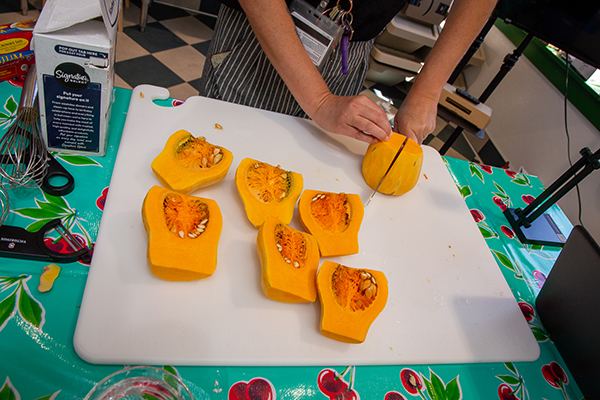
Food Service is expanding plant‑based meal options and increasing the use of locally sourced, sustainable ingredients to promote student health while reducing environmental impacts. CASP strengthens these efforts by ensuring that food‑service decisions support lower‑carbon operations, responsible procurement practices, and equitable access to nutritious, culturally relevant meals across all campuses.
Pest Management
TUSD integrates Pest Management (IPM) standard, which prioritizes prevention, least‑toxic control methods, and safe application practices to maintain healthy learning environments. CASP emphasizes reducing chemical use, protecting indoor air quality, and supporting long‑term environmental stewardship across all campuses. These practices ensure that pest‑management decisions align with district sustainability goals while upholding rigorous safety standards for students, staff, and the surrounding community.
Funding & Reporting
CASP supports these efforts by establishing clear expectations for how sustainability projects are planned, funded, and assessed over time. TUSD leverages a range of available funding sources—including grants, tax incentives, and bond allocations—to advance energy efficiency, infrastructure upgrades, and resource‑management improvements that align with district priorities and long‑term operational goals.
Read the full report here
Report appendix

Summary: Info about efforts supporting the Climate Action and Sustainability Policy (ECF) at the Tucson Unified School District.
Posted: 1/14/2026
Keywords: article, 2025-2026, facilities, energy, sustainability
Related Content: